
Office & Tenant Space
Office Demolition & Tenant Space Strip-Outs in Connecticut
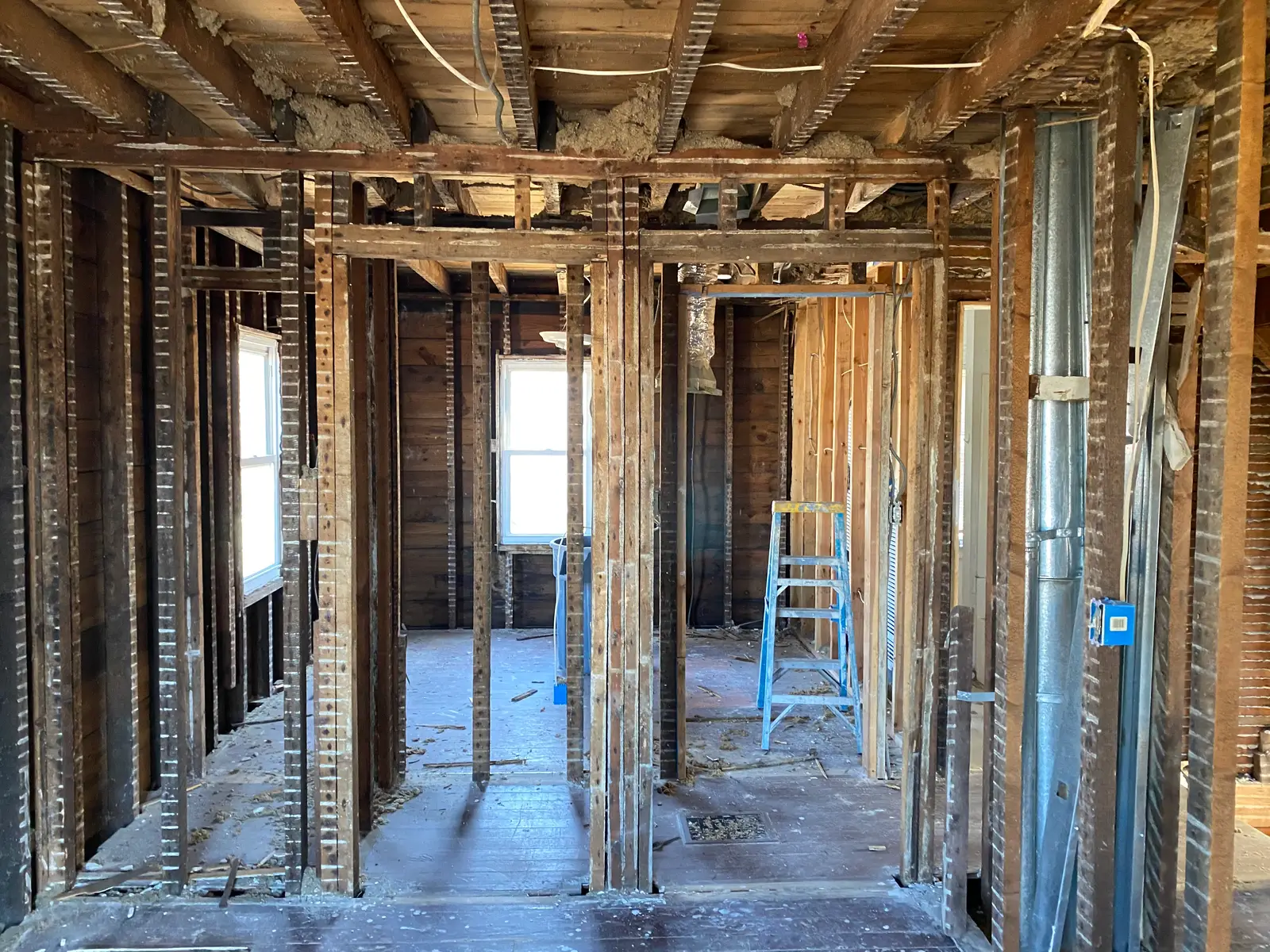
When a tenant leaves, the suite has to go back to the line the lease sets, usually white box or shell, without disrupting the tenants who stay. We strip office space along the Route 8, Merritt Parkway and I-95 corridors and hand it back swept and ready for the next build-out.
- CT Licensed — DMCR.003450
- $2M Insured
- 5.0★ Google Rating
Who This Is For
You're in the right place.
For landlords and property managers turning suites between tenants, general contractors starting an office build-out, and tenants meeting restoration obligations at the end of a lease.
What’s Included
- Suites demolished to white box, vanilla shell or cold dark shell
- Demising and interior partitions, ceilings and grid, flooring and base
- Millwork, casework, glass fronts and doors
- Abandoned data and low-voltage cabling removed
- Electrical, plumbing and HVAC made safe by licensed trades before removal
- Protection for base building systems, core restrooms and common corridors
- After-hours and weekend work for occupied buildings
- Debris out through the loading dock or freight elevator, documented to the facility
Lease Turnover
Back to the line the lease sets.
Most office leases spell out what the space has to look like at turnover, and most landlords want the outgoing tenant's improvements, cabling and specialty finishes gone. Accessible abandoned cable has to come out under the electrical code anyway. We demolish to the condition in your lease exhibit or drawings, not to our own idea of clean.
White box
Finished, taped walls, a ceiling grid or open structure, and base building systems ready for the next tenant's design. The usual target when a landlord is marketing a vacant suite.
Vanilla shell
Often used interchangeably with white box. Some landlords mean fewer finishes, so the lease definition controls. We confirm the line before the bid.
Cold dark shell
Back to structure, roof and slab, with no finished systems left in the space. Common before a full repositioning or a change of use.
Occupied Buildings
The tenants who stay never notice.
Office strip-outs happen next to tenants who are still working. We protect elevators and the path from the suite to the loading dock, set up containment at the suite entry, and coordinate any fire alarm impairment and detector covers with building management. Loud and dusty work moves after hours when the building needs it, and common areas are swept every day.
Before Demolition Starts
Survey, permit, then demolition.
Connecticut DEEP guidance requires commercial buildings to be inspected by a licensed asbestos consultant before renovation or demolition. In office buildings, ceiling tile, floor tile and mastic, and joint compound are common suspects, so the survey comes first and any abatement is done by a licensed abatement contractor.
The permit depends on the town. Shelton files partial and interior demolition under its Commercial Building Permit, and New Haven's demolition permit is written for whole structures, so interior work there is permitted separately. We sort out the right filing for your scope.
Office Corridors
Where the office work is.
Shelton's Bridgeport Avenue and Route 8 corridor is one of the region's largest office markets, with suites turning over tenant by tenant. Trumbull's corporate park sits at Route 8 and the Merritt Parkway. Milford's former office park on Wheelers Farm Road is being redeveloped in phases, and downtown New Haven's older office buildings carry their own demolition-delay rules.
Why a Licensed Contractor Matters
Office strip-outs get scrutinized by landlords, property managers and their insurers. We work under an active Connecticut demolition license (DMCR.003450) with $2M in coverage, issue certificates of insurance naming the landlord and property manager before mobilization, and document where every load of debris went.
Questions
Straight answers.
How long does an office strip-out take?
It depends on the suite size, the access and the hours the building allows. Most single-suite strip-outs take days rather than weeks once the asbestos survey is clear and the permit is issued. We put a firm schedule in the proposal.
Can you work after hours in an occupied office building?
Yes. We schedule loud and dusty work for evenings or weekends when the building needs it, protect elevators and common corridors, and leave the common areas swept every day.
Do you remove abandoned data cabling?
Yes. Most leases require it at turnover, and accessible abandoned cable has to come out under the electrical code. We remove it back to the point your documents set.
Do we need an asbestos survey before an office strip-out?
For commercial buildings, yes. Connecticut DEEP guidance requires an inspection by a licensed asbestos consultant before renovation or demolition. We coordinate the survey and any abatement before demolition starts.
Can you name our landlord and property manager on the certificate of insurance?
Yes. We issue certificates of insurance with additional-insured endorsements for the parties your lease or building rules require, before we mobilize.
The PRC Standard
Professional from first call to final grade.
Every project runs through the same disciplined process: a single point of contact, a written scope, scheduled milestones, and a documented site handoff. Calls and quote requests are returned within two business hours.
Project Line
(203) 909-8639- Hours
- Mon–Fri 7am–5pm · Sat 8am–2pm
- info@prcdemo.com
- Headquarters
- 93 Boston Post Road, Milford, CT
- Response
- Within 2 business hours
Fast Quotes · Fully Licensed
Get your office & tenant space demolition quote.
Send photos and a few details — most quotes go out within 24 hours.
CT Demolition License DMCR.003450 · $2M liability coverage
Other demolition services
House & Building Demolition · Concrete Removal · Garage & Shed Demolition · Interior Demolition · Commercial Demolition · Pool Removal